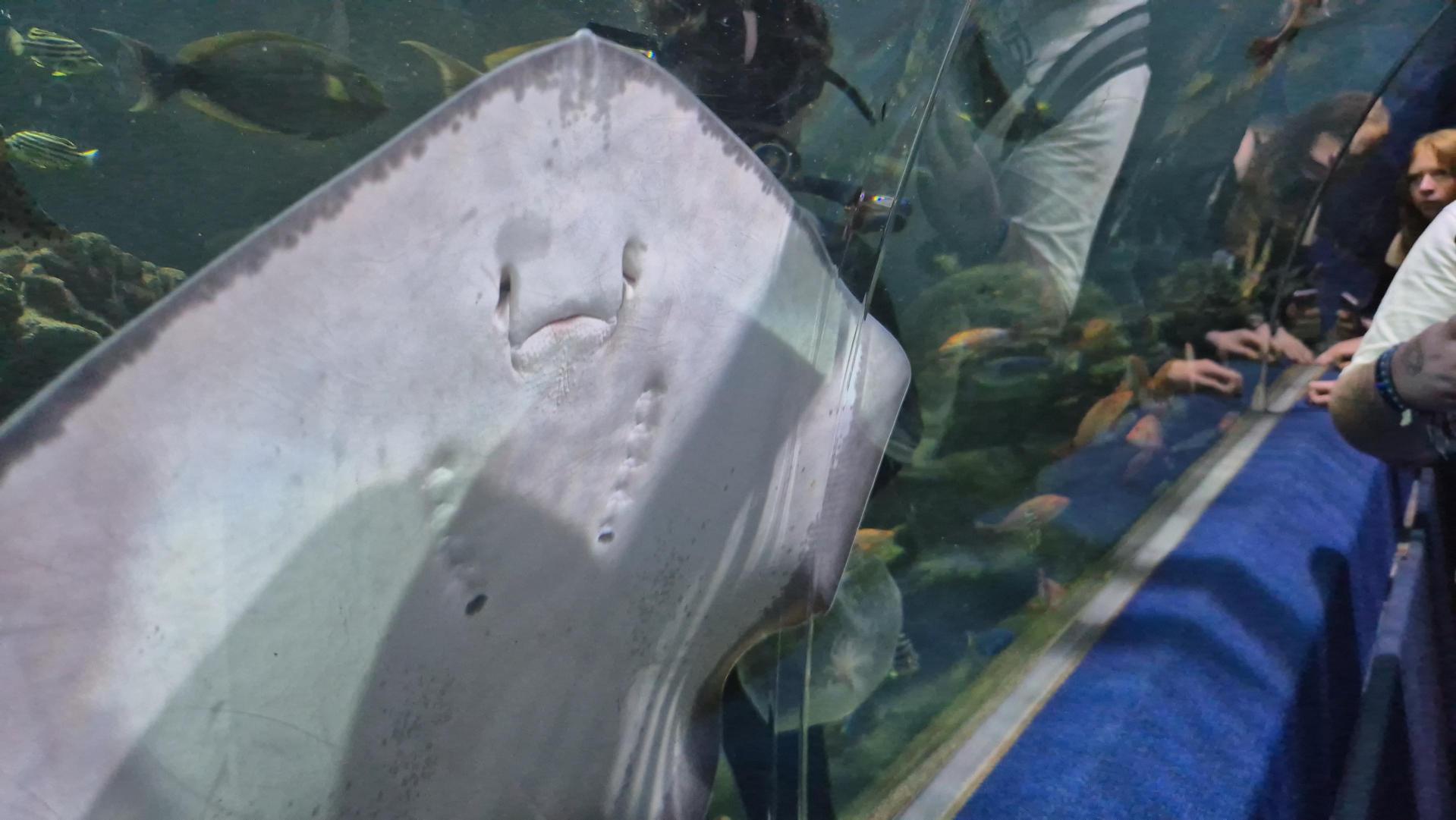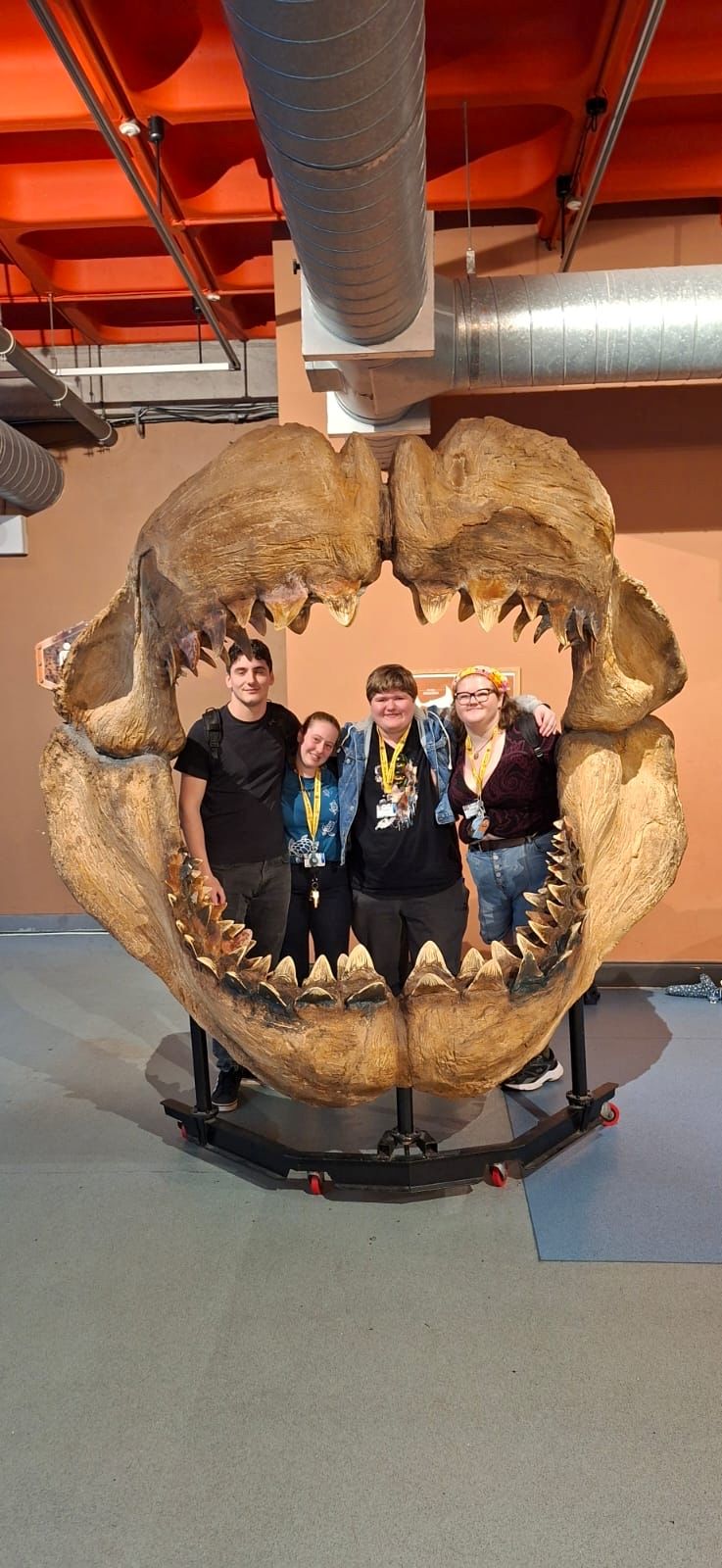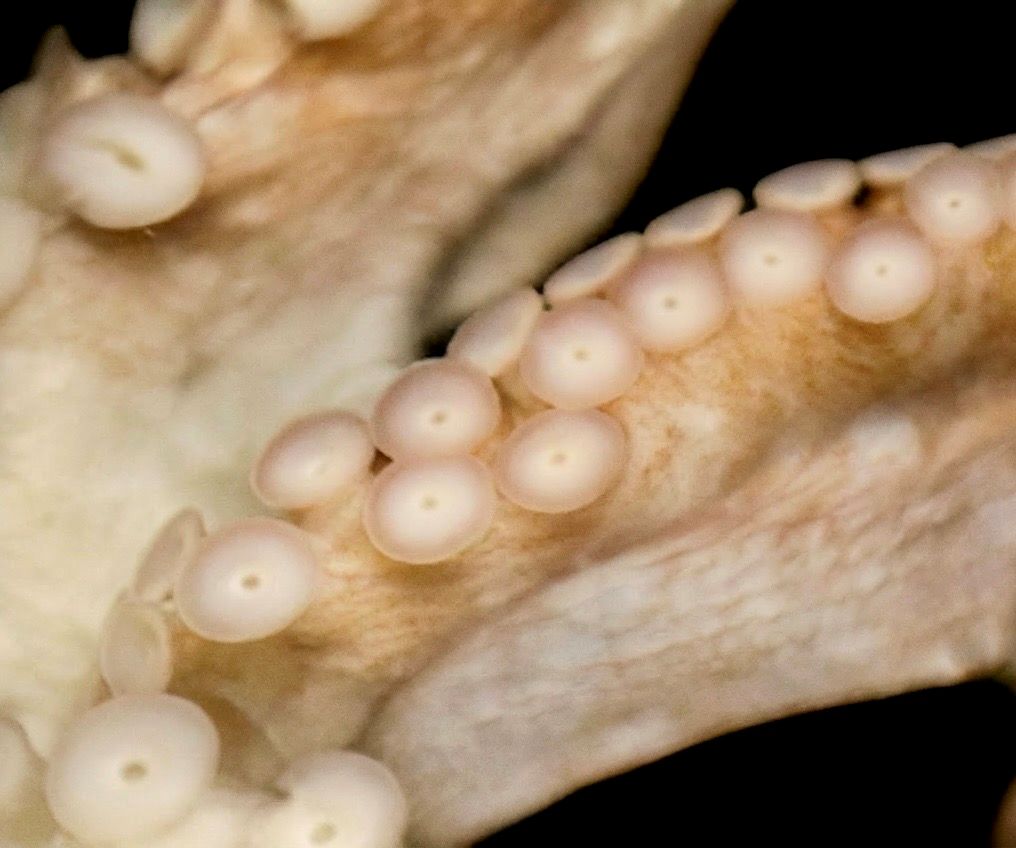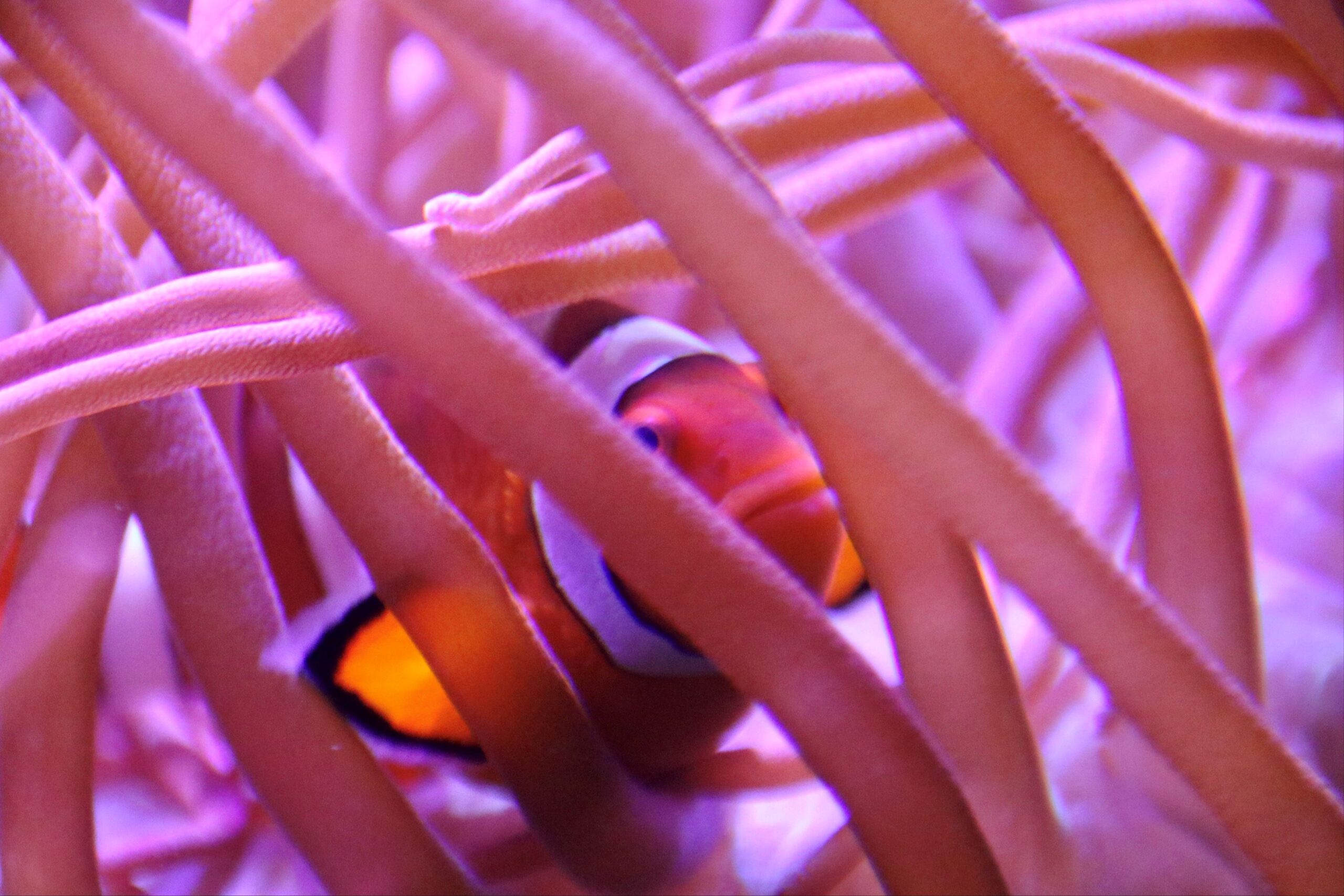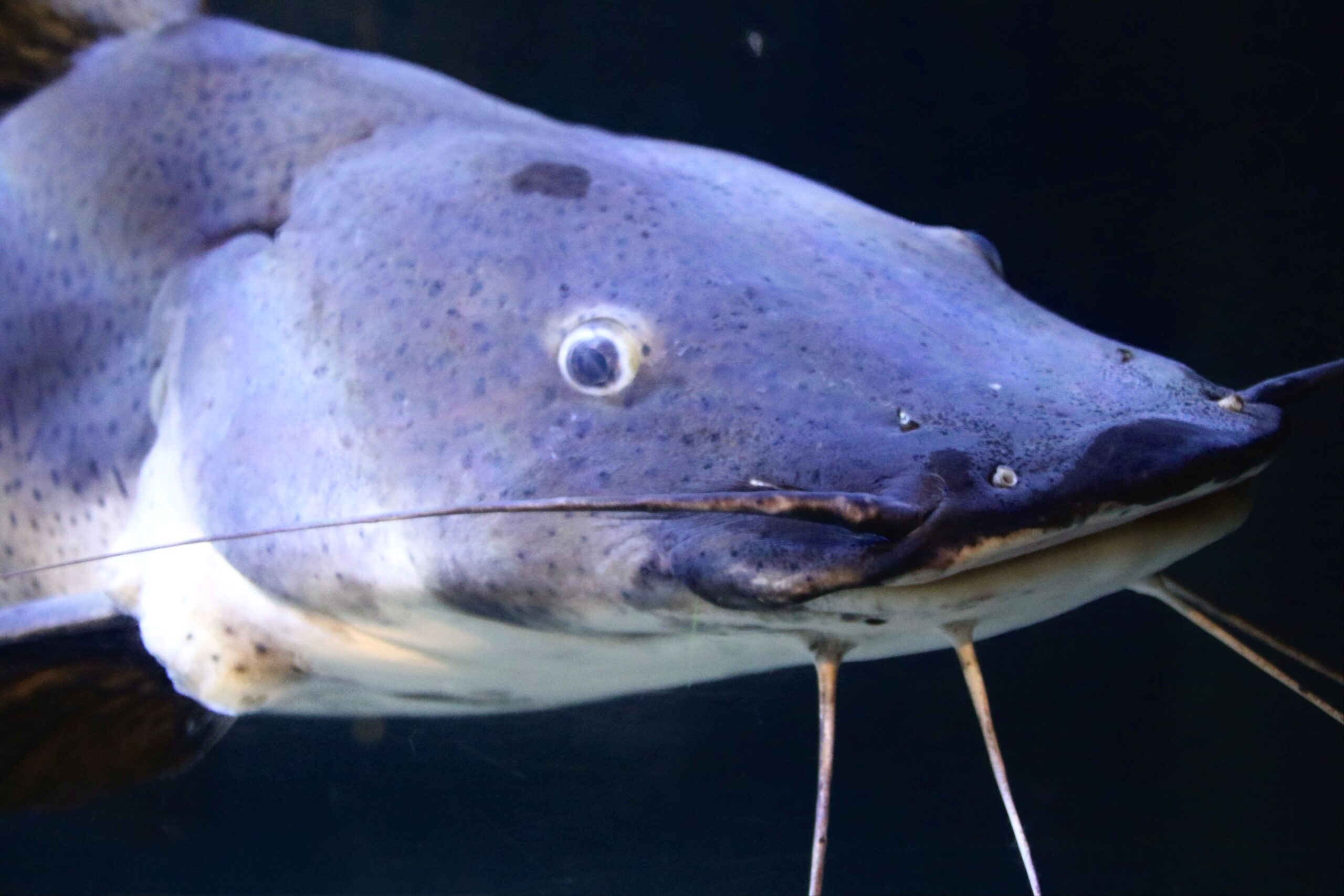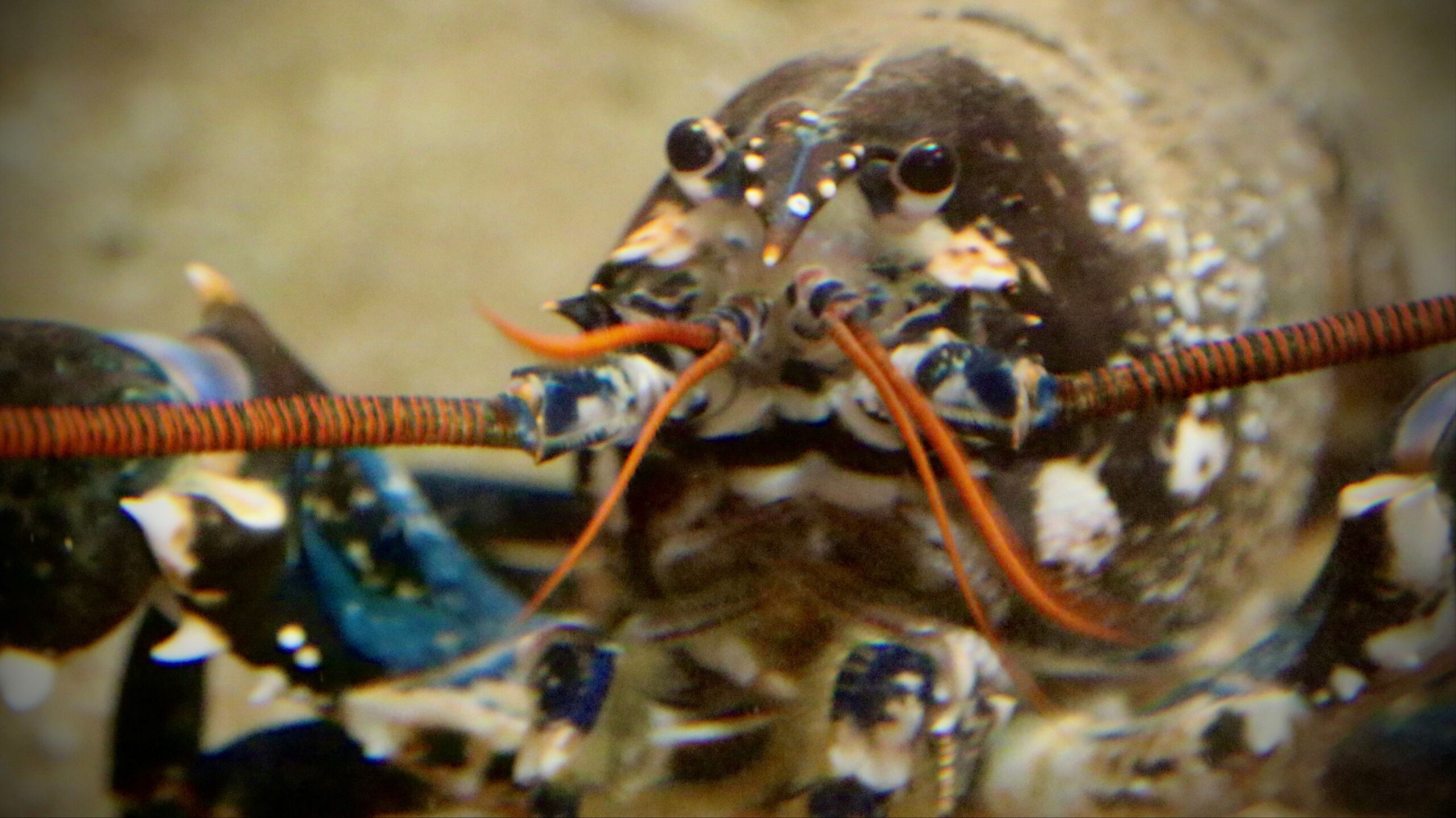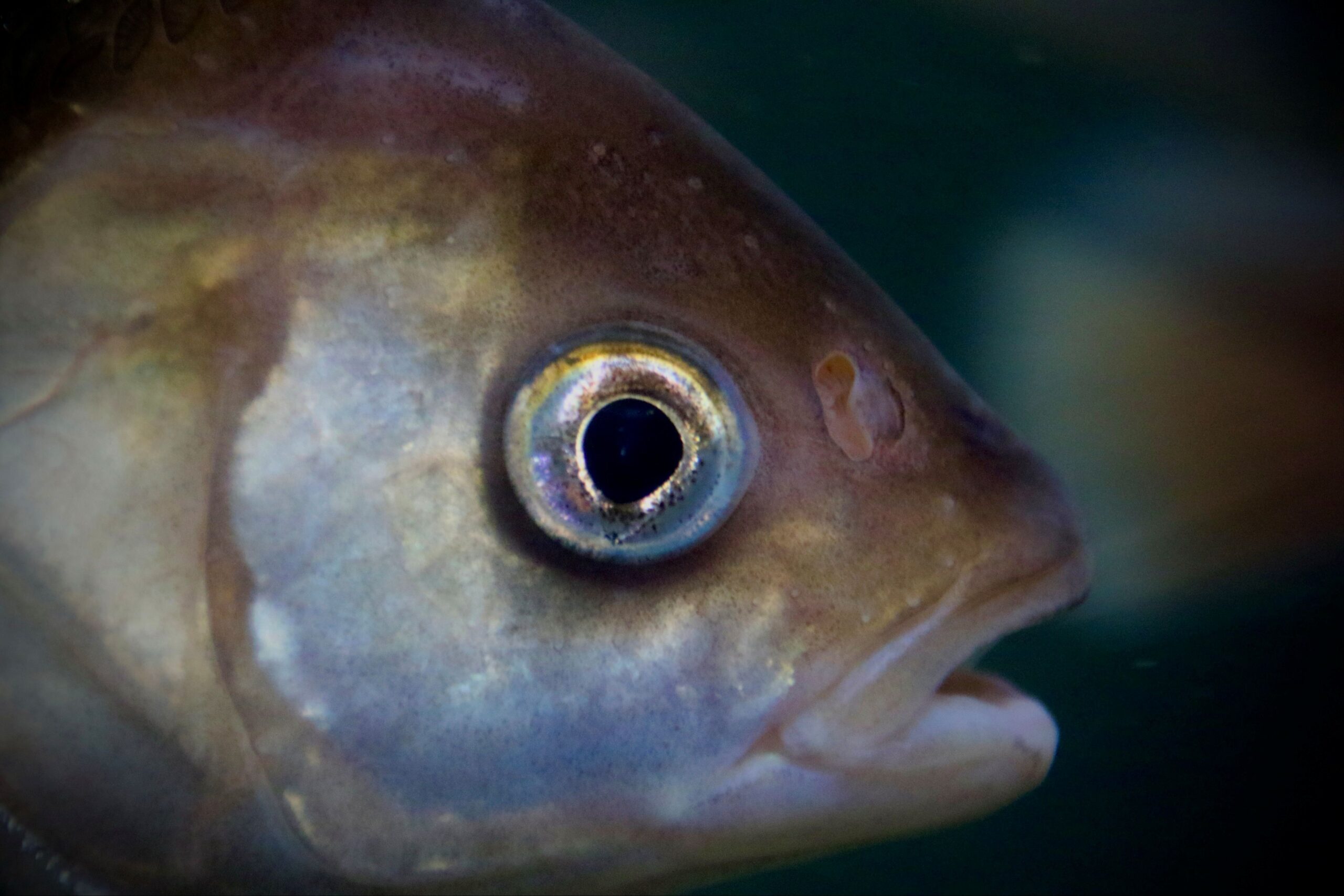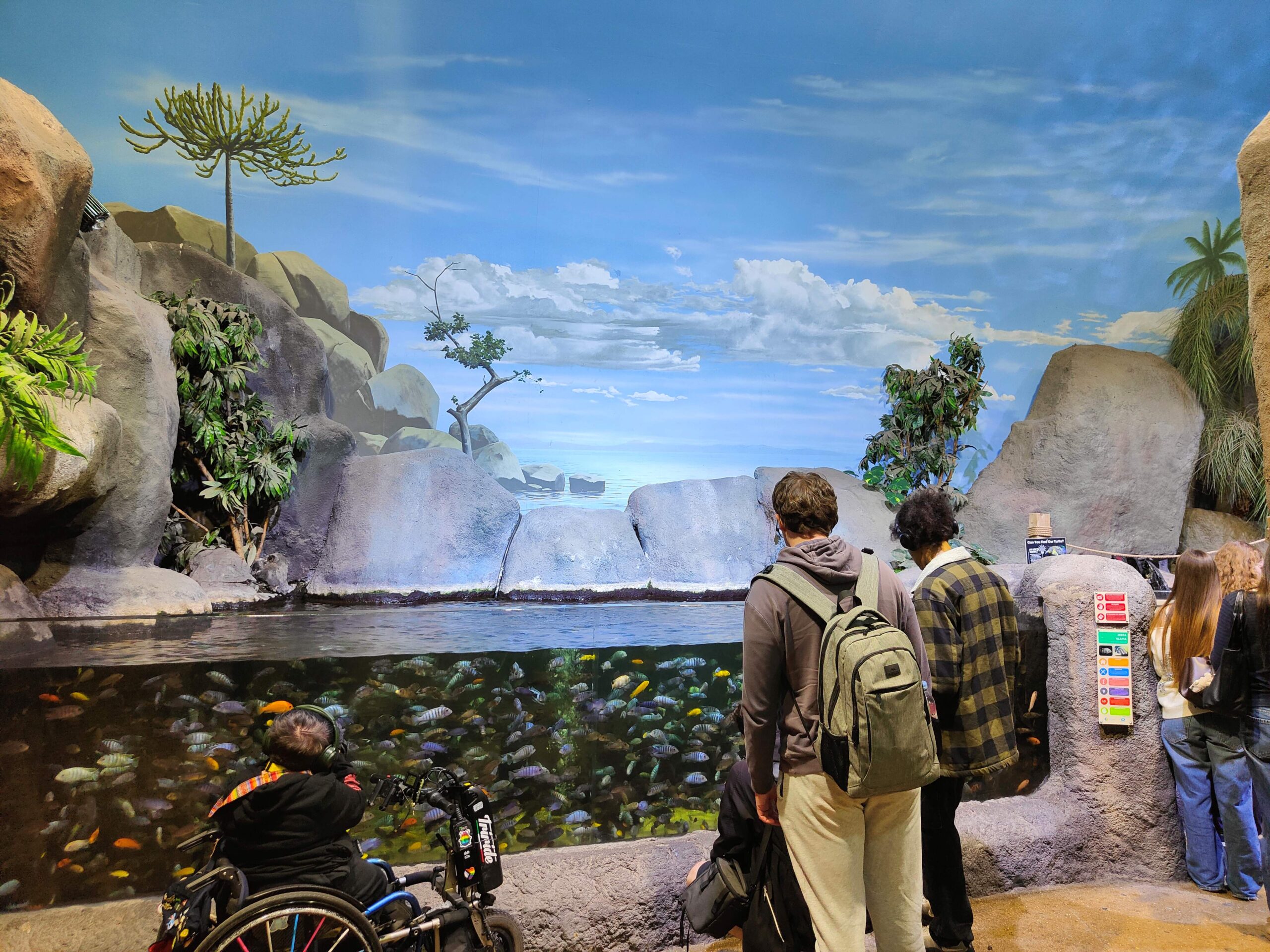

Animal Science students from Reaseheath College and University Centre experienced a behind-the-scenes look at life inside one of Europe’s leading aquatic attractions during a specialist visit to Blue Planet Aquarium in Ellesmere Port.
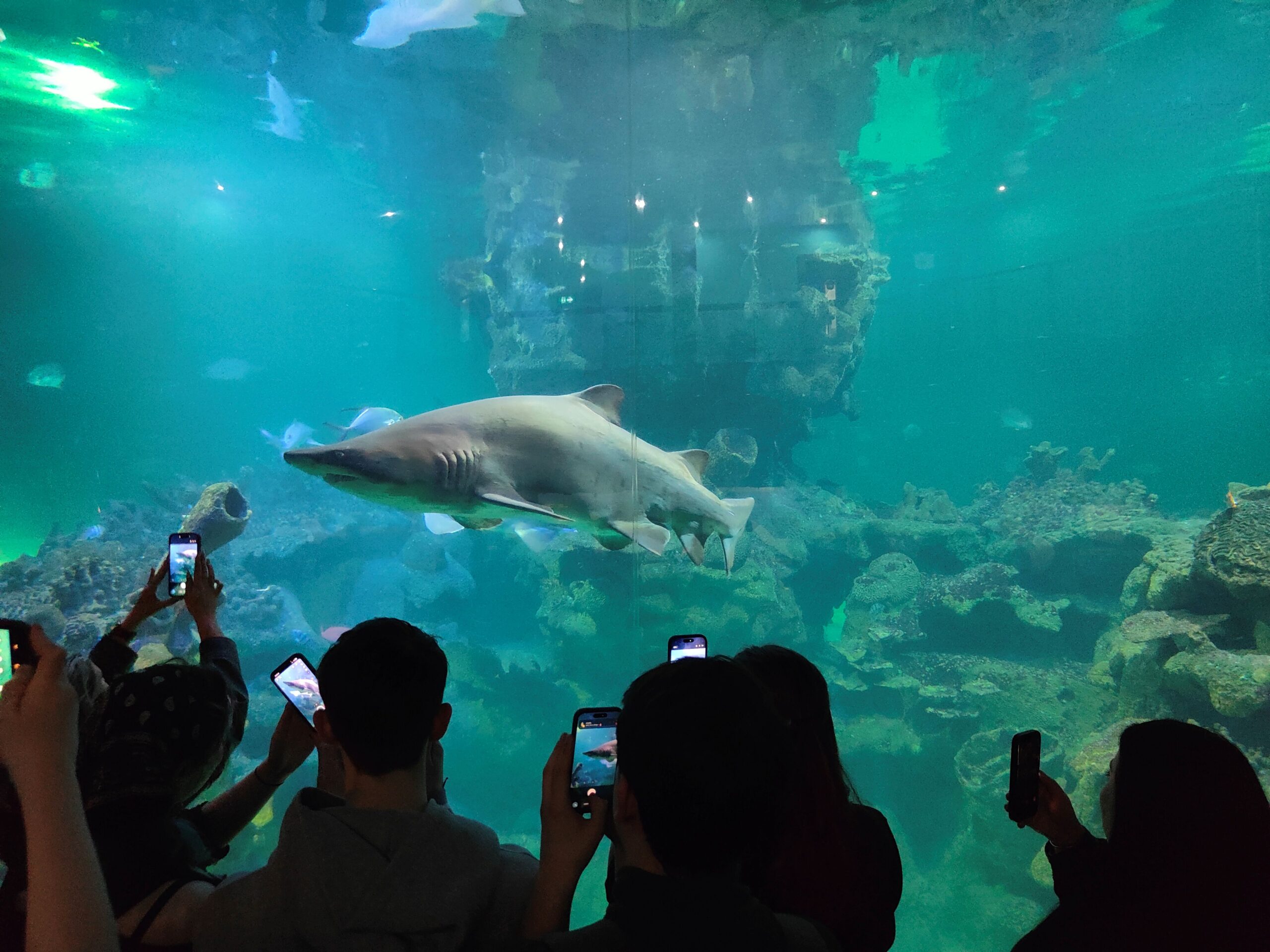
The trip gave students rare access to a working aquarium environment, including the opportunity to observe a live sand tiger shark feeding session with the Blue Planet dive team, one of the standout moments of the day.
Throughout the visit, students explored the wide range of careers involved in aquatic animal care, from animal training and nutrition through to diving operations, welfare management and day-to-day husbandry of complex marine species.
The experience was led by Donovan Lewis, Animal Science Lecturer and Course Manager at Reaseheath, who also works as a part-time diver at Blue Planet Aquarium.
His dual role in education and industry gave students a unique insight into what it’s really like working in the sector.
Donovan said: “Being able to show students the industry in action makes a huge difference. It helps them understand the level of care,
skill and teamwork involved in managing aquatic animals, and it often opens their eyes to the range of careers available that they hadn’t previously considered.”
A highlight for students was also hearing from a Reaseheath alumnus now working within Blue Planet Aquarium’s zoological team, who shared their career journey and offered advice on progressing into the industry after graduation.
Speaking after the visit, one student said the experience gave them a clearer understanding of the realities of working in the sector and what steps they need to take next to pursue a career in animal care.
The visit forms part of the university centre’s wider approach to industry-led learning, helping students build practical understanding, develop professional insight and connect directly with employers working across the animal science sector.
Visit our blog listings page or view our latest blogs below.
Animal Science
Canine Behaviour
Wildlife Conservation and Ecology