Our relationships with animals influence far more than how we care for our pets.
From protecting wildlife and improving animal welfare to understanding the links between human and animal health, the way people interact with animals raises important scientific, ethical and social questions.
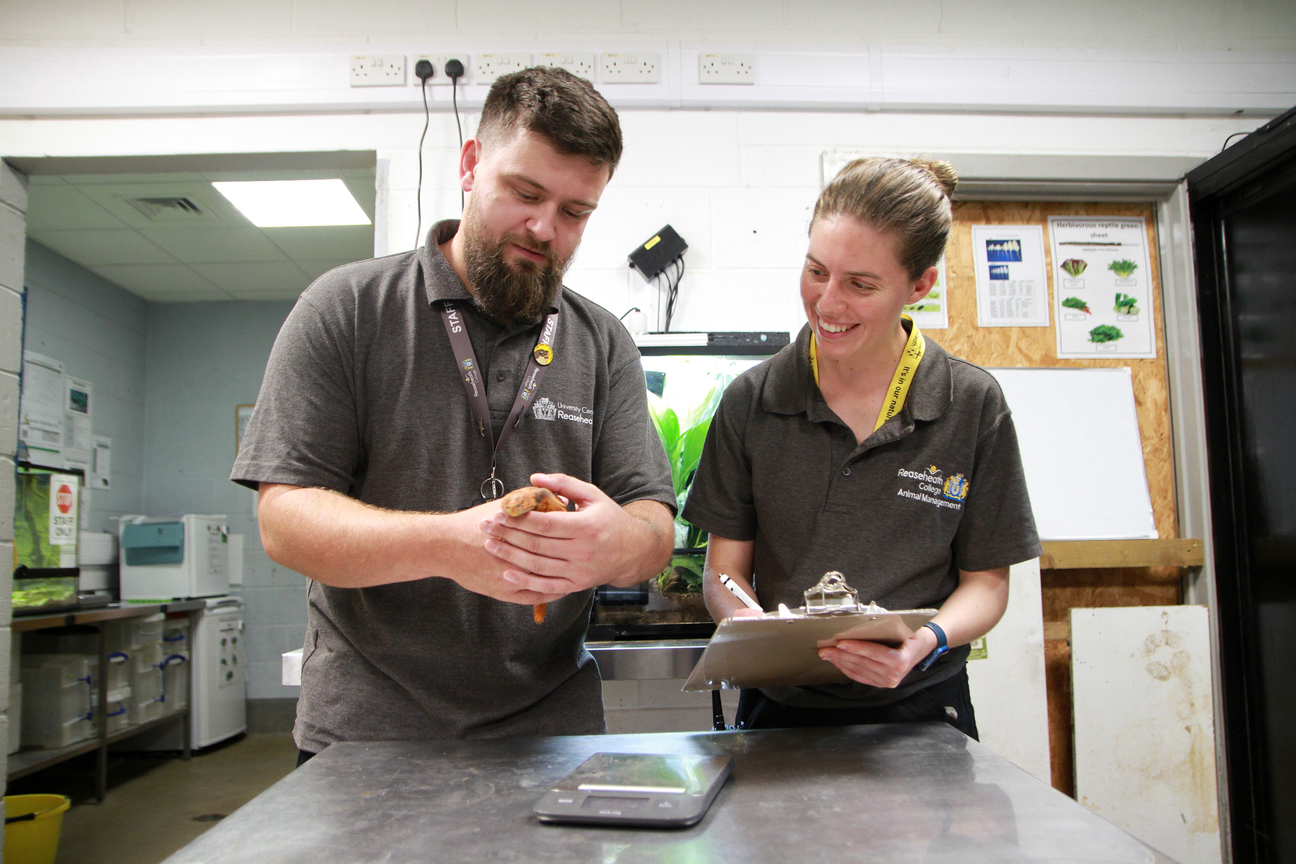
Reaseheath College and University Centre is exploring these connections through its MSc Human-Animal Studies programme, which has welcomed its first cohort of students.
The interdisciplinary master’s programme examines the complex relationships between humans and animals across scientific, cultural, ethical and policy contexts, helping students develop a deeper understanding of contemporary challenges affecting both people and animals.
Topics explored through the programme include human-wildlife conflict, animal welfare, zoonotic diseases, public health, sustainability and the ways human behaviour influences our relationships with animals.
Becx Whitefield, Advanced Practitioner in Animal Science at the land-based institution in Nantwich, explained: “There is almost nowhere left on earth where humans and non-human animals come in to contact, often sharing limited resources and competing for space. In almost every context the links, relationships and connections between humans and animals are impactful and influential.
“Human-Animal Studies encourages us to look at these relationships from different perspectives, combining scientific evidence with cultural, ethical and social understanding. By exploring how humans and animals interface, we can develop a better understanding of myriad global challenges and how we might address them.
“We’ve been delighted to welcome our first students to the MSc at Reaseheath and look forward to seeing how they develop their own interests and contribute to this important area of study.”
Throughout the one-year programme, students explore a range of approaches during modules including Human-Animal Cultural Perspectives, Global Animal Policy and Legislation, and Human and Animal Behaviour Change for Coexistence. They also develop advanced research skills and undertake an independent dissertation, allowing them to investigate a subject aligned with their own interests and career ambitions.
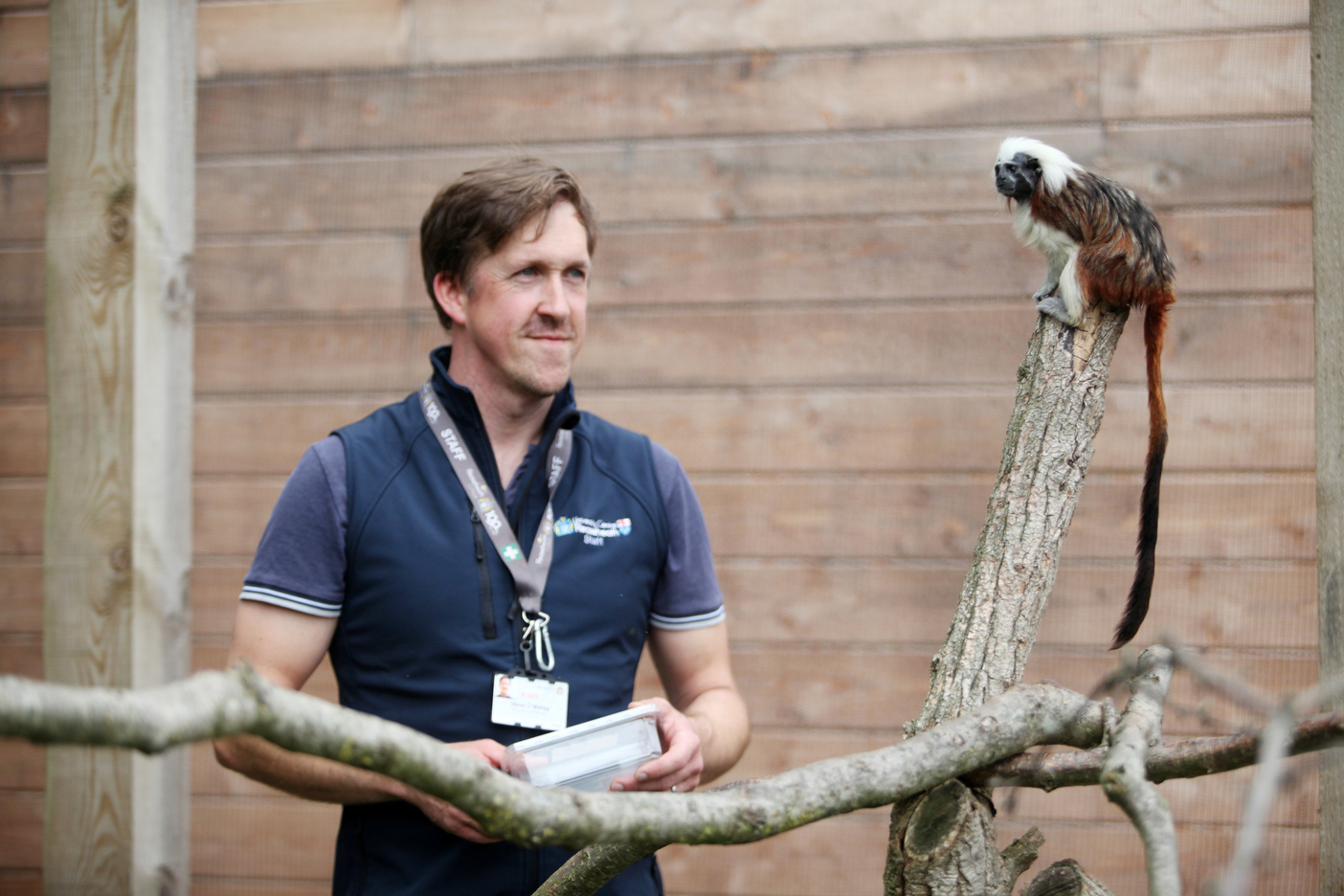
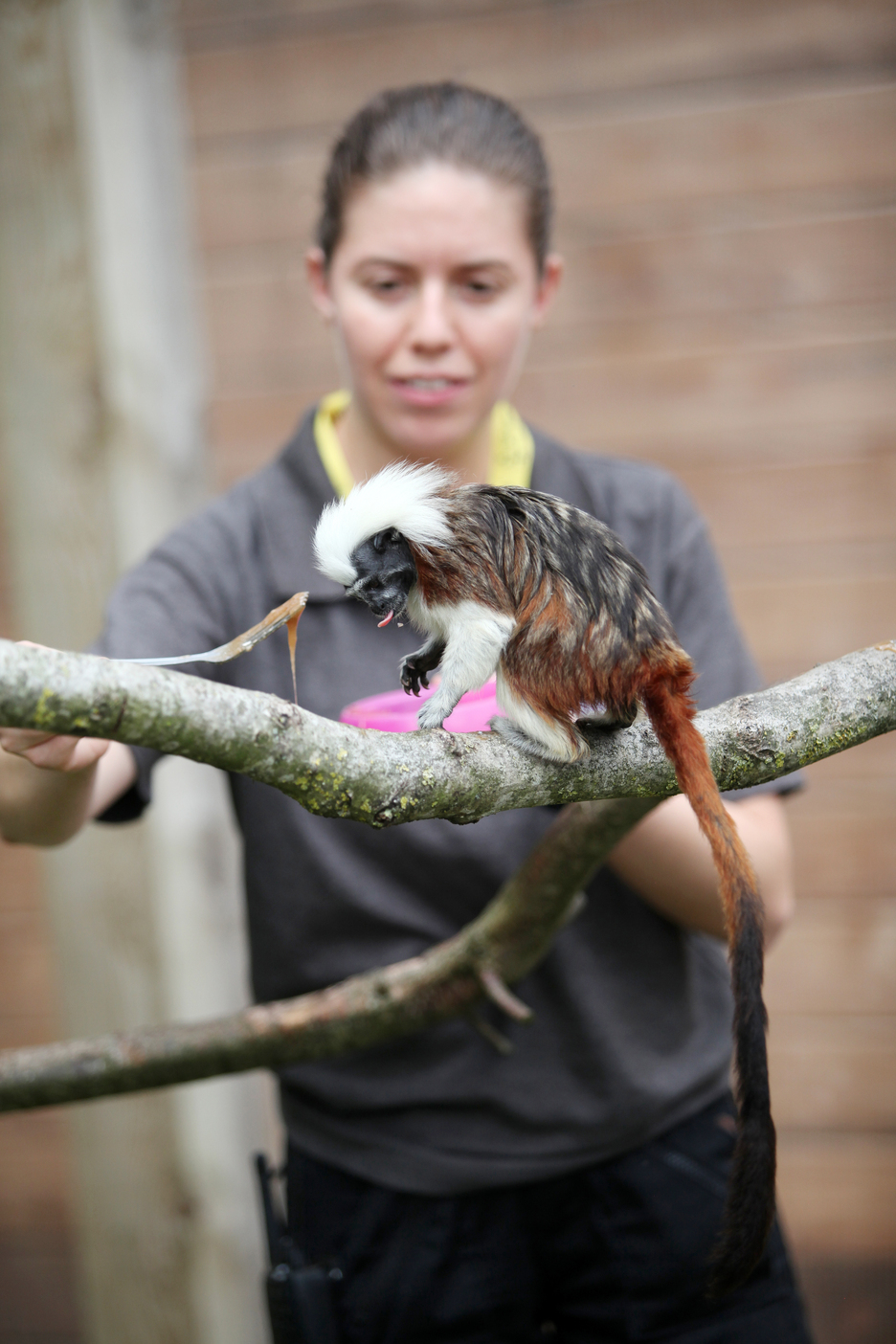
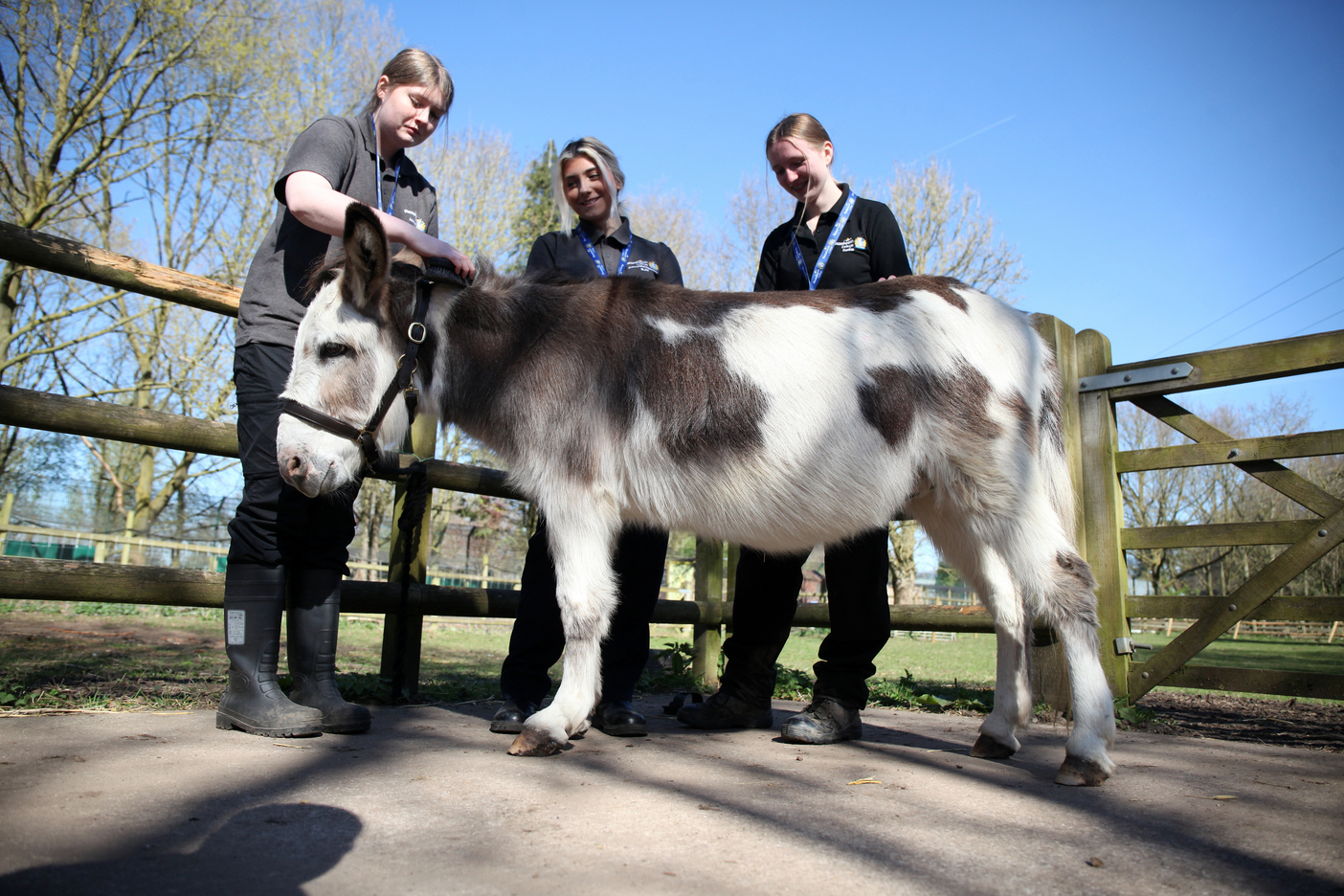
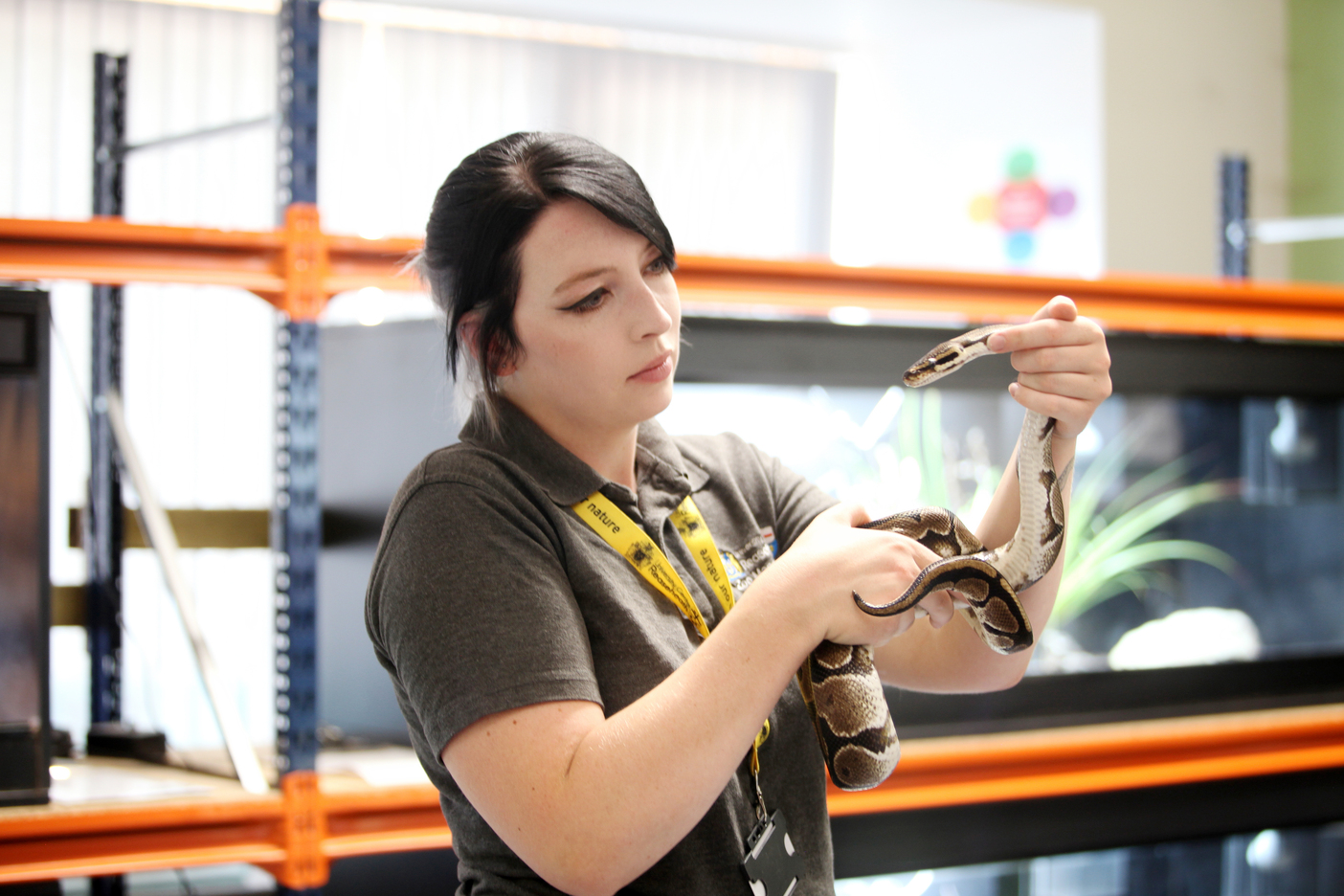
The programme combines on-campus teaching with flexible online learning and access to Reaseheath’s specialist facilities, including its BIAZA-accredited mini zoo, canine facilities, laboratories, commercial farm and equestrian centre.
The MSc is designed for graduates from disciplines including zoology, canine studies, veterinary nursing, wildlife and equine studies, as well as related fields. It can support progression into areas such as animal welfare, conservation, policy, education and research, or further academic study, including doctoral research.
“Human-Animal Studies encourages us to look at these relationships from different perspectives, combining scientific evidence with cultural, ethical and social understanding. By exploring how humans and animals interface, we can develop a better understanding of myriad global challenges and how we might address them.
Visit our blog listings page or view our latest blogs below.
Animal Science
Canine Behaviour
Wildlife Conservation and Ecology