

Microplastics have been found in samples from both pet and working dogs in research by a Reaseheath College and University Centre lecturer, raising new questions about how these tiny particles enter our pets’ lives and what happens to them once they are inside the body.
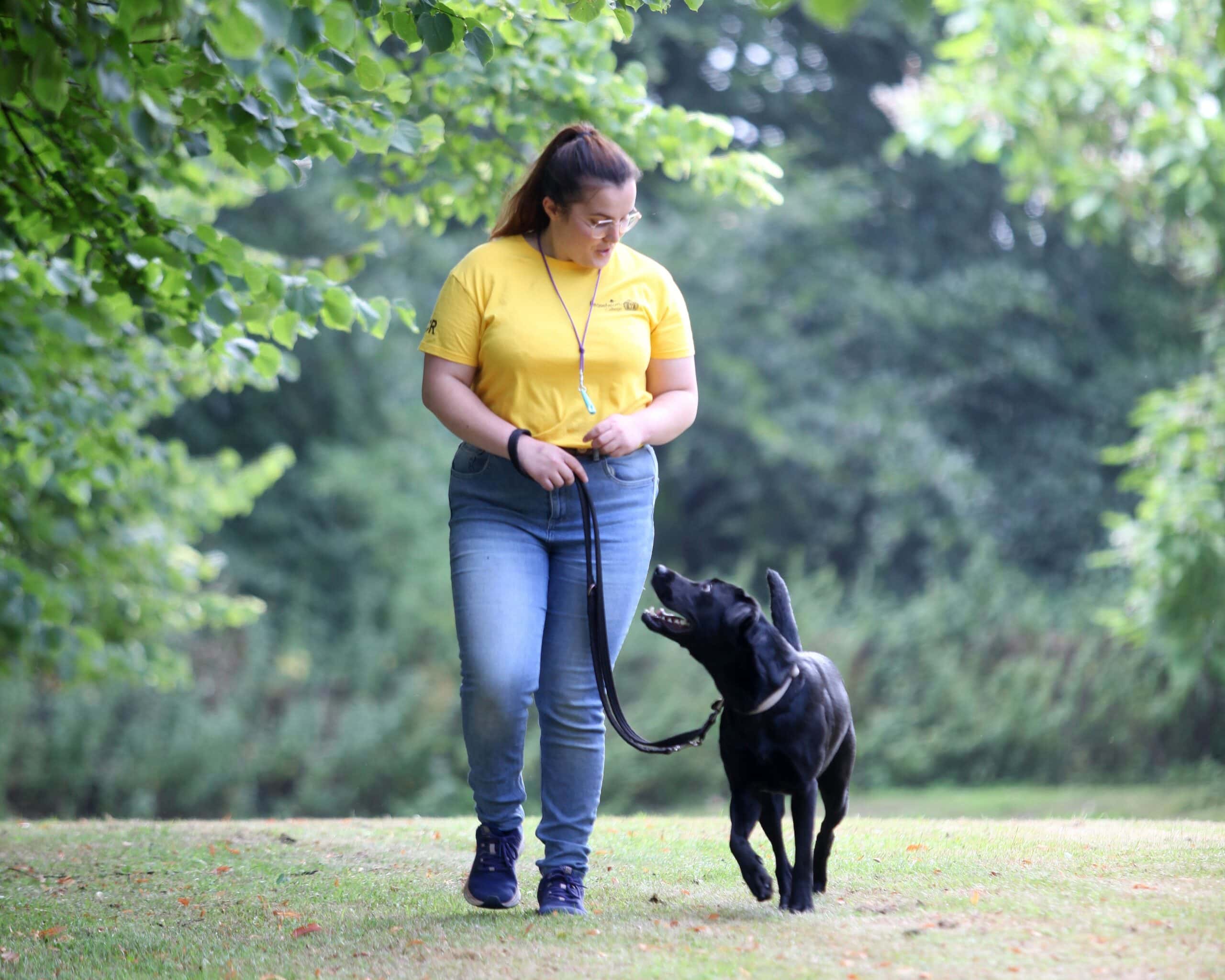
Paige McCormack, Lecturer and Course Manager in Canine Behaviour and Training at Reaseheath investigated microplastic exposure as part of her recent Master of Research at the University of Chester.
Her study looked at eight dogs – four pet dogs and four police dogs – with faecal and dry food samples collected over three days and analysed using a range of laboratory techniques.
“I was quite surprised to find microplastics in every sample, especially the police dogs as their lifestyle is so different from a normal pet dog,” said Paige.
The findings raise questions about the everyday ways dogs may encounter microplastics.
“Dogs interact with clothing and other materials, while they also love to chew and put things in their mouths. Those everyday behaviours could be contributing to their exposure to microplastics,” said Paige.
For owners, Paige says reducing plastic where possible is a practical place to start. She recommends considering non-plastic alternatives to dog toys and chews, as well as reducing unnecessary plastic in the home.
“Reducing plastic is the best thing. There are some really good companies out there that offer non-plastic dog toys. Reducing plastics within the home may also help, and it’s surprising how much plastic we come into contact with.”
However, Paige stresses that there is still much we don’t know about what happens to microplastics once they enter a dog’s body. Her study involved just eight dogs, so the findings cannot be taken as representative of the wider dog population.
“We don’t know how much microplastic is actually retained in a dog’s body and tissues. These findings were what was coming out of their bodies, which is good, but we don’t yet know how much is staying inside or what impact it could have.”
Paige believes future research should look more closely at potential sources of exposure for dogs, including enrichment. Dog toys are one area she believes warrants further investigation, given how widely plastic is used in pet products.
Her research also highlighted just how difficult it can be to study microplastics. During the project, samples and equipment were occasionally affected by contamination from sources including water, beakers and the surrounding air, meaning some of the work had to be repeated.
Paige will explore the research and its implications for dogs and their owners at Reaseheath’s next public lecture, From Paws to People: The Microplastic Connection, on Wednesday, October 14th.
The lecture will explore the hidden journey of microplastics, what current research tells us about their potential impacts, how our pets may be exposed and what owners can do to reduce their dogs’ exposure.

About Paige McCormack
Paige is a Lecturer and Course Manager in Canine Behaviour and Training at Reaseheath College and University Centre in Nantwich, Cheshire.
She completed a first-class BSc (Hons) in Animal Behaviour and Welfare (Clinical Route) at Harper Adams University before completing her Master of Research at the University of Chester.
She has nine years’ experience working in kennel environments, including roles as a Kennel Assistant, Manager, Behaviour Advisor and Dog Warden, and is a Contributing Supporter Member of the Fellowship of Animal Behaviour Clinicians.
Visit our blog listings page or view our latest blogs below.
Animal Science
Canine Behaviour
Wildlife Conservation and Ecology