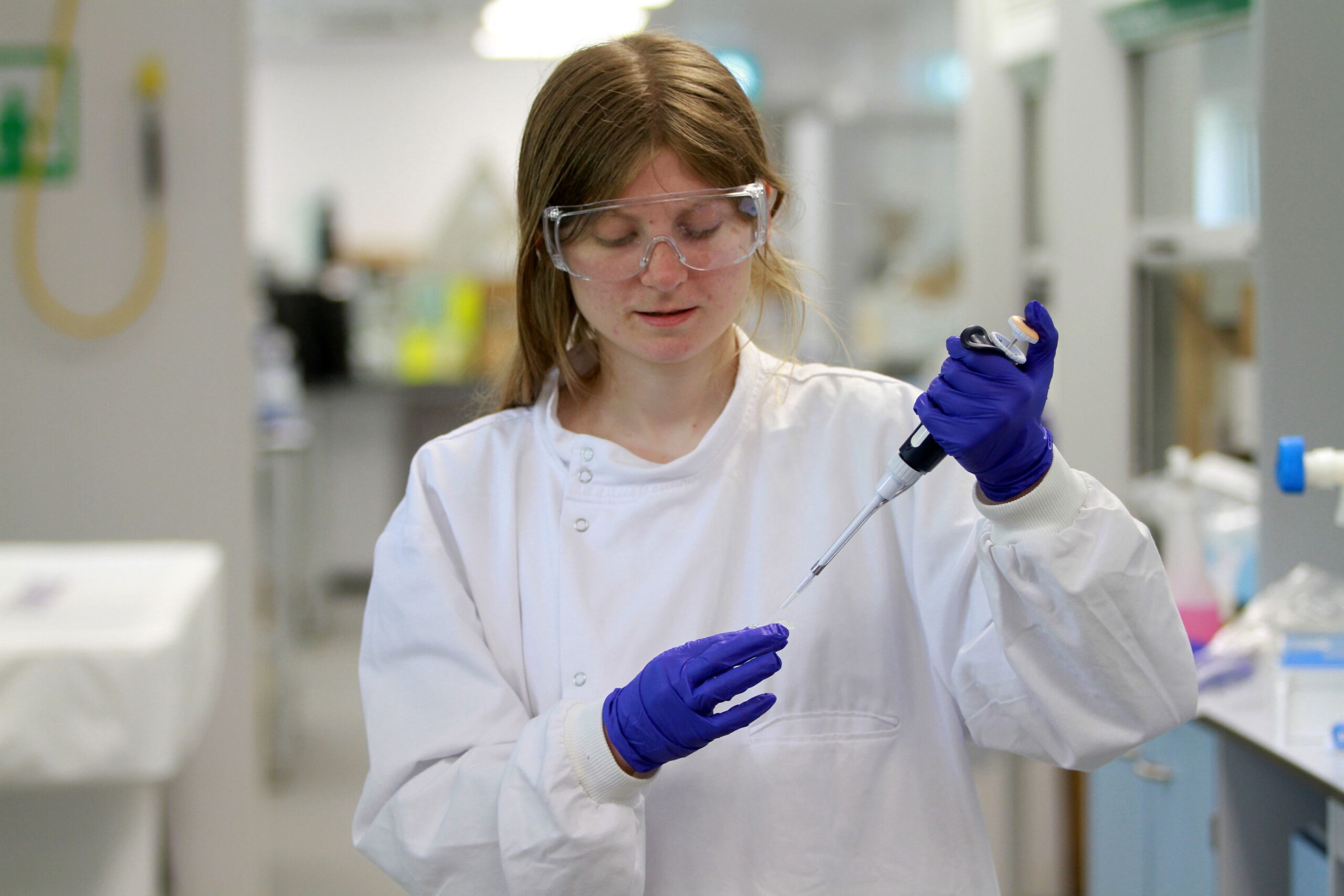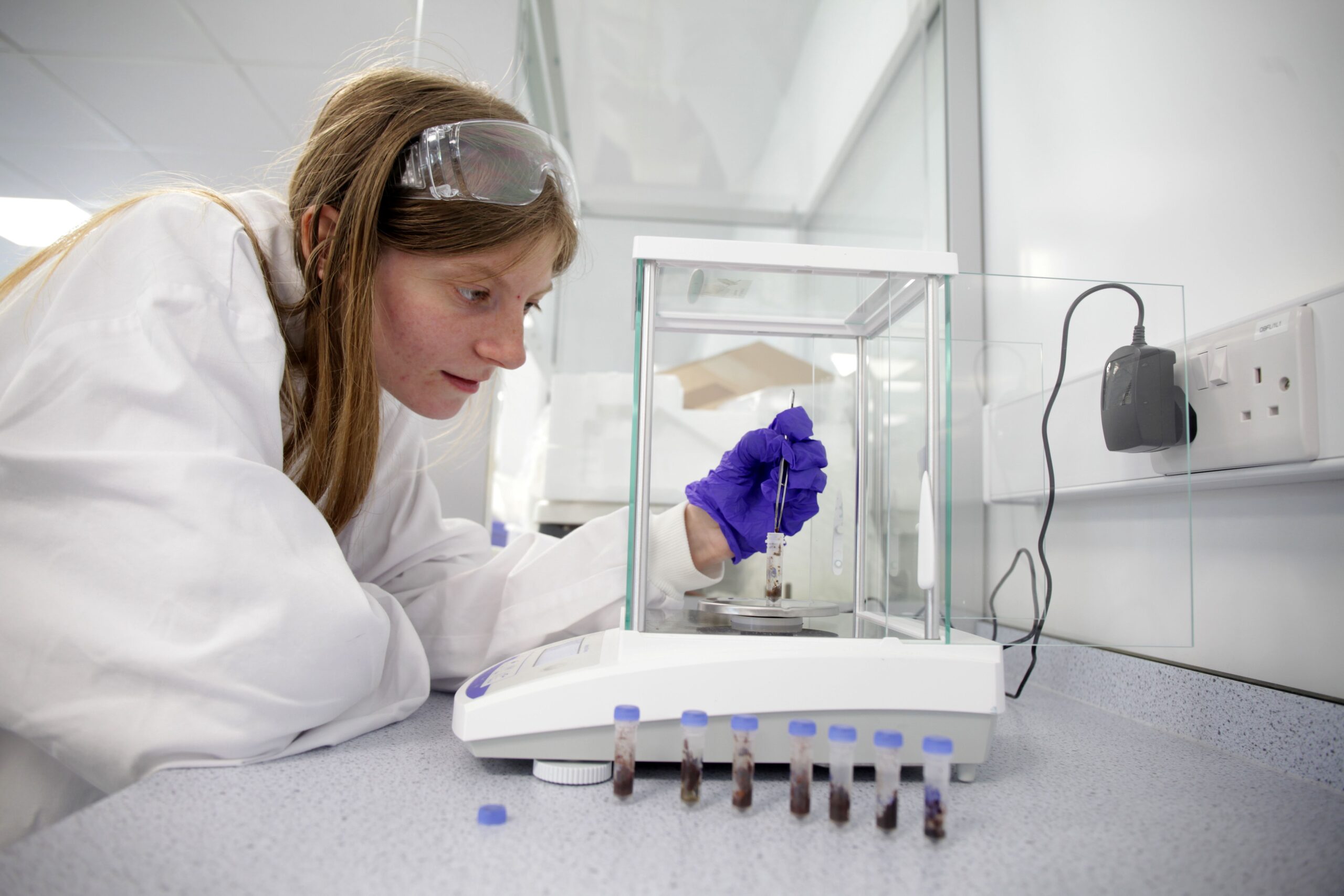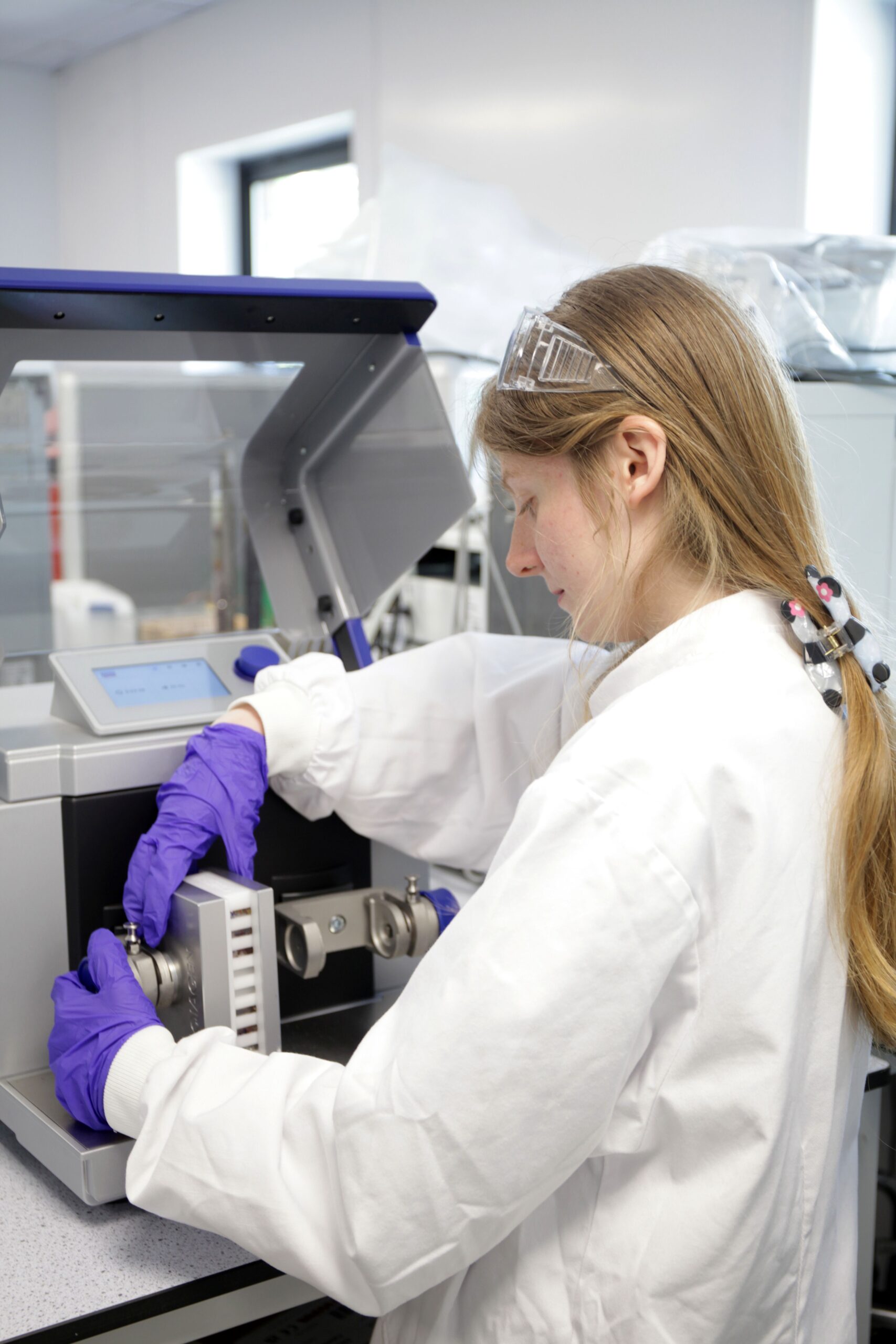

Phoebe Holbrook, a final-year Wildlife Conservation and Ecology undergraduate, has been researching Phytophthora – a group of destructive plant pathogens responsible for devastating tree diseases across the country.
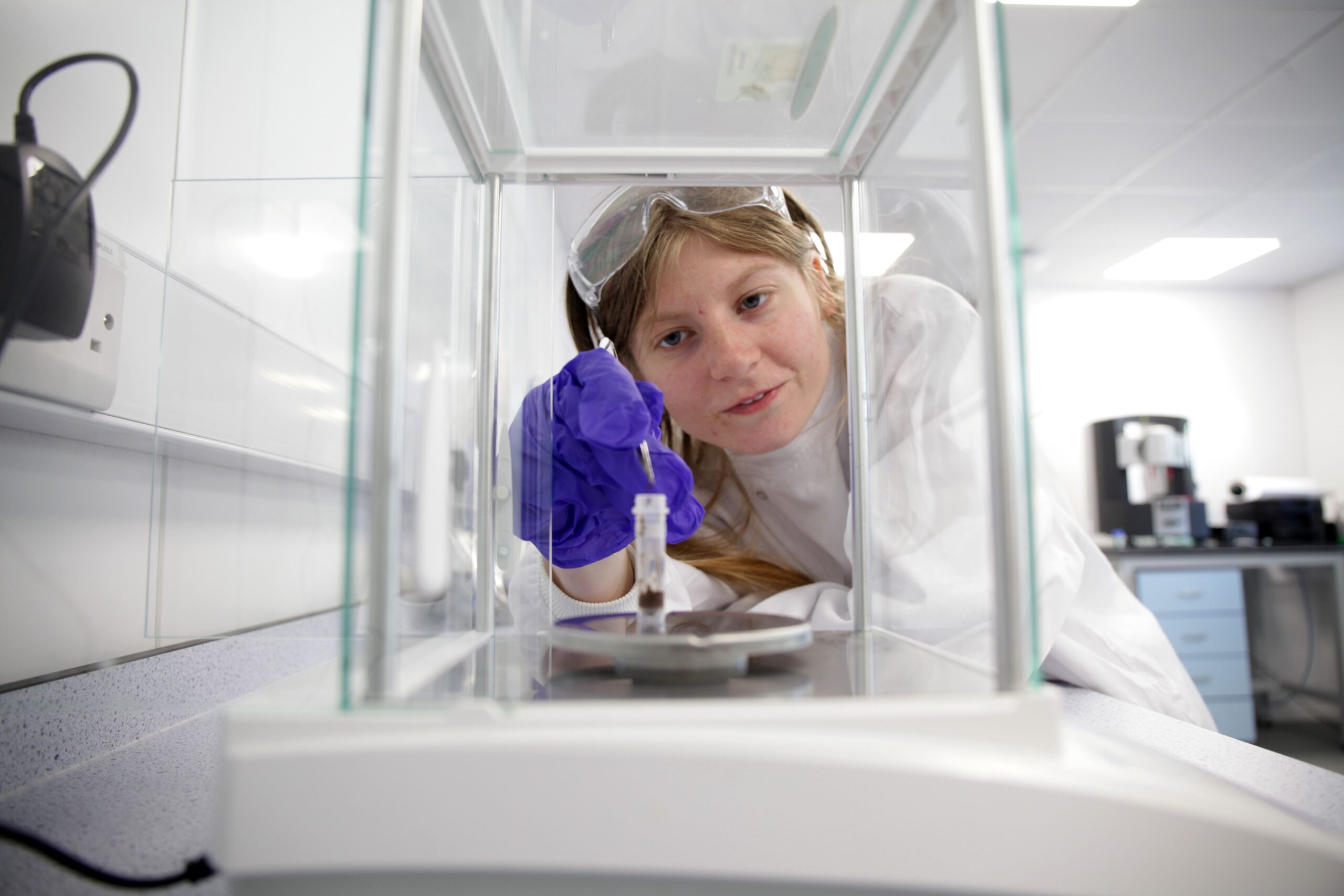
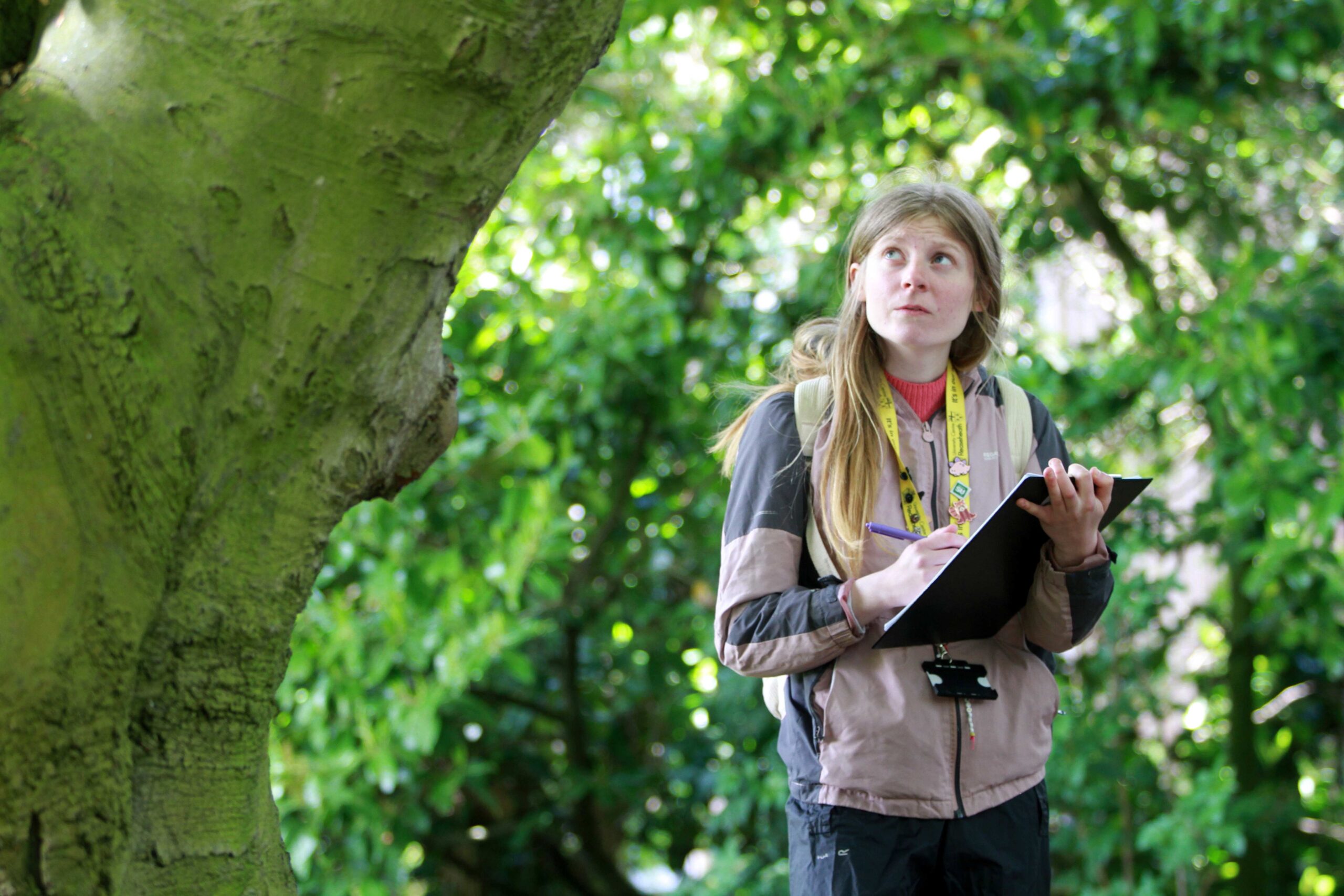
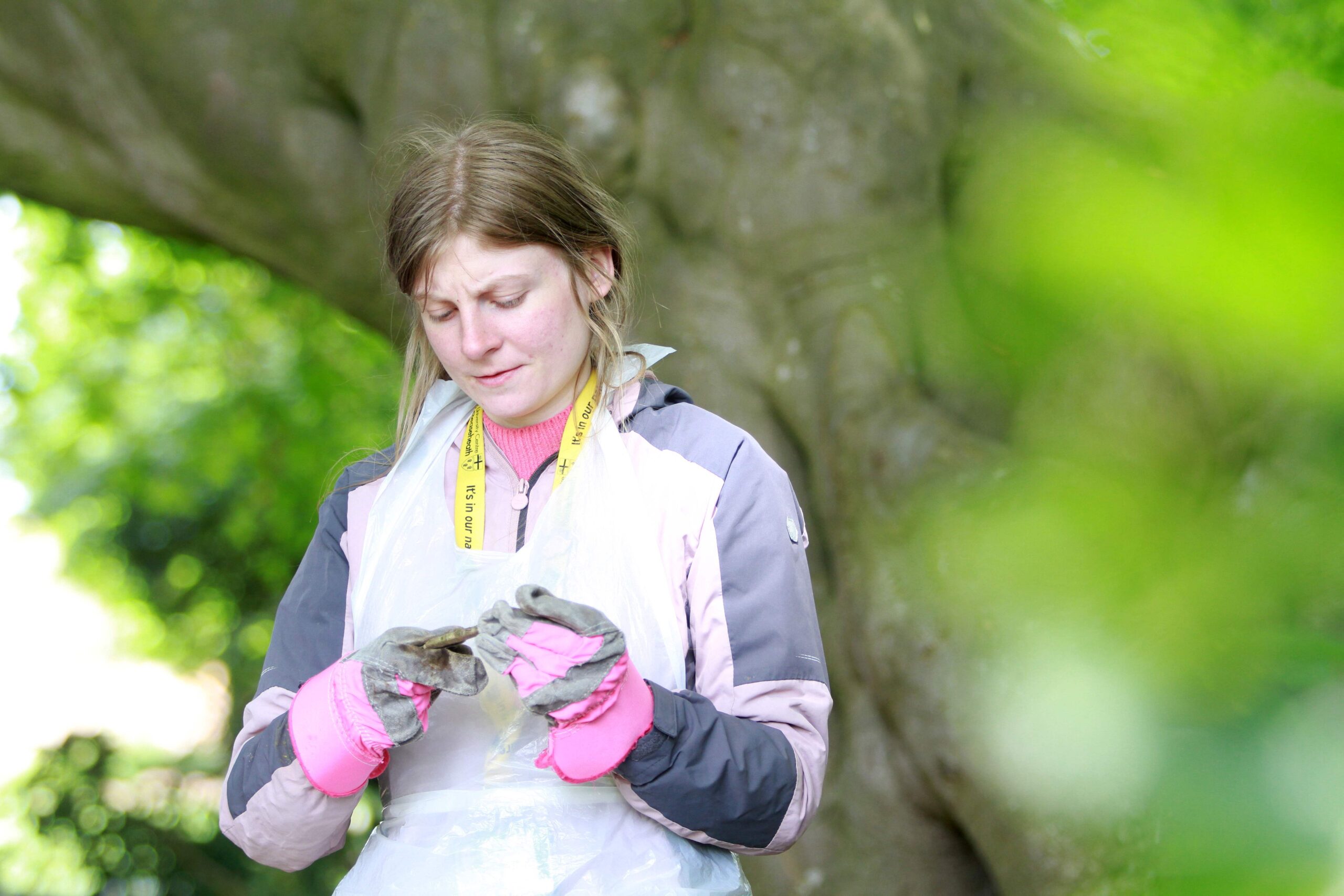
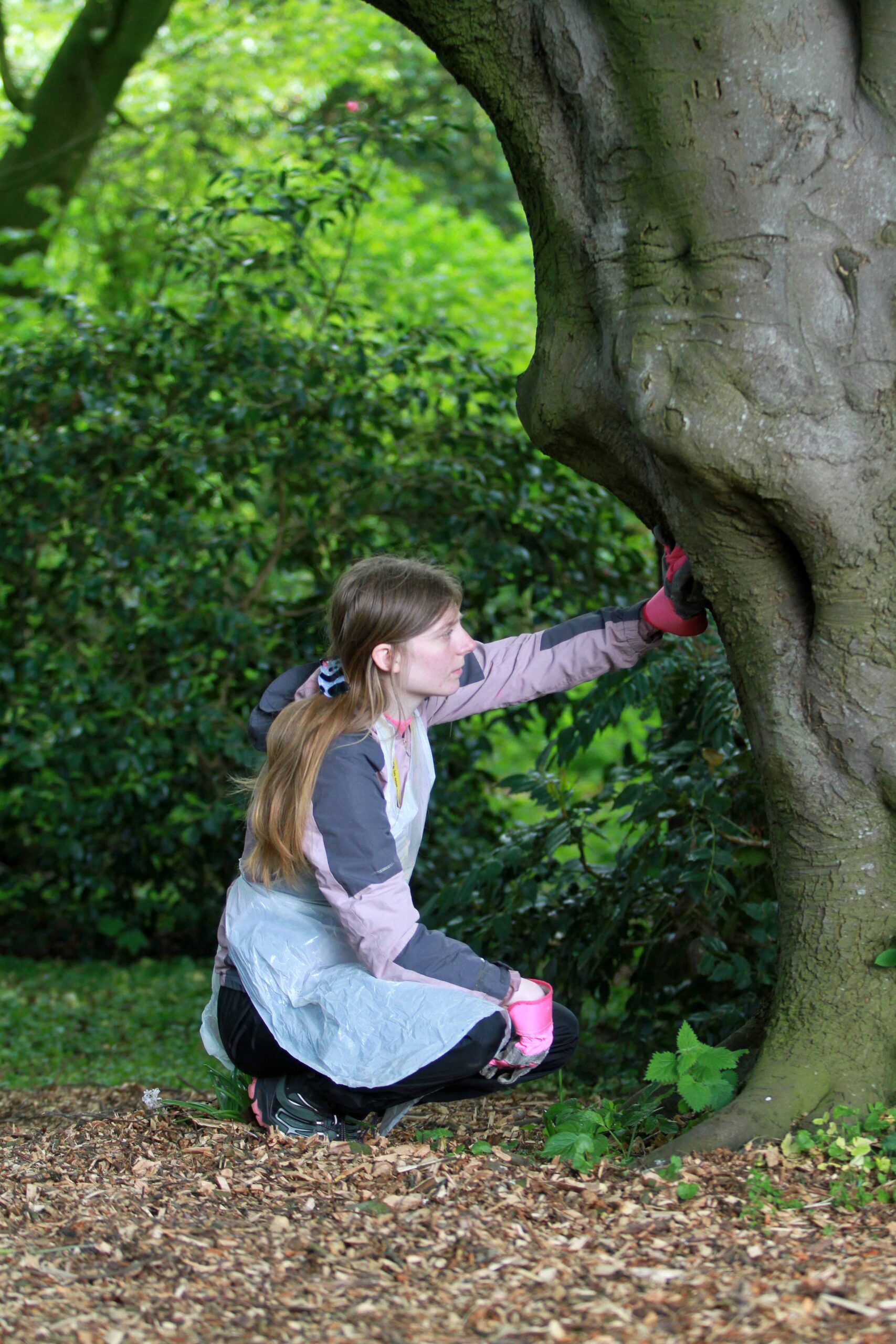
Her dissertation, titled Testing the Accuracy of Various Diagnostic Methods for Phytophthora Species in British Trees, focuses on testing various diagnostic methods to detect these diseases in species such as European beech and larch, right on the institution’s campus.
Phoebe is one of many final-year students at the Nantwich-based university centre using specialist, industry-standard equipment made possible through Reaseheath’s investment in advanced facilities and technology as a key partner in the Cheshire and Warrington Institute of Technology.
By using a combination of visual assessments, lateral flow test kits, and advanced Polymerase Chain Reaction (PCR) testing – a laboratory method used to detect tiny amounts of DNA – Phoebe is helping conservationists better understand how these diseases can be identified and managed more effectively.
The stakes are high. Tree diseases linked to Phytophthora are estimated to cost England and Wales at least £1.4 billion annually, impacting biodiversity, biosecurity, and the long-term sustainability of the timber industry.
Highlighting the economic and environmental gravity of the issue, Phoebe says:
“These pathogens pose a major threat to the timber industry. When we lose vast numbers of trees to disease, it creates immense waste and undermines the long-term viability of our natural resources, making the entire sector much harder to sustain.”
Despite challenges ranging from biosecurity risks to hazardous field conditions, Phoebe has successfully carried out her research with support from Reaseheath’s Sustainability Committee and the Institute of Food and Sustainable Innovation.
Her work recently took her beyond the campus to the Wildlife Trust’s Recorders Conference, where she was one of the youngest featured speakers.
“I was proud to represent Reaseheath at the conference,” Phoebe says. “I was invited through my volunteer work with the Wildlife Trust (Lancashire, Greater Manchester and North Merseyside), which began as a student placement and has since evolved into a rewarding professional relationship.
“Presenting my findings was a huge personal achievement, and having the support of my team, my supervisor, and my family there made it even more special.”
Alongside her academic research, Phoebe serves as the Reaseheath Students’ Union Sustainability Officer, where she acts as the student voice on sustainability committees and leads environmental initiatives across the campus. From organising litter picks and planting sessions to driving awareness campaigns, she is actively engaging the college community in green issues.
Phoebe is also a key figure in the recent campus Sustainability Week, encouraging students and staff to rethink their environmental impact.
“In my role, I ensure the student voice is heard at the highest level of our sustainability committees,” she says. “My focus is on mobilising both students and staff to get involved in hands-on environmental activities, showing that everyone has a part to play in a greener future.”
Lecturer Lis Morris says Phoebe’s journey is a powerful example of how Reaseheath students are developing the skills, knowledge, and confidence to tackle real-world environmental challenges and shape a more sustainable world.
“Phoebe has progressed hugely in confidence and professionalism throughout her degree. Her dissertation project was entirely her idea and is one of the most technically complex dissertations we have ever facilitated here at Reaseheath. We’re all very proud of her!”
Visit our blog listings page or view our latest blogs below.
Canine Behaviour
Wildlife Conservation and Ecology
Animal Science